







 Before
 After
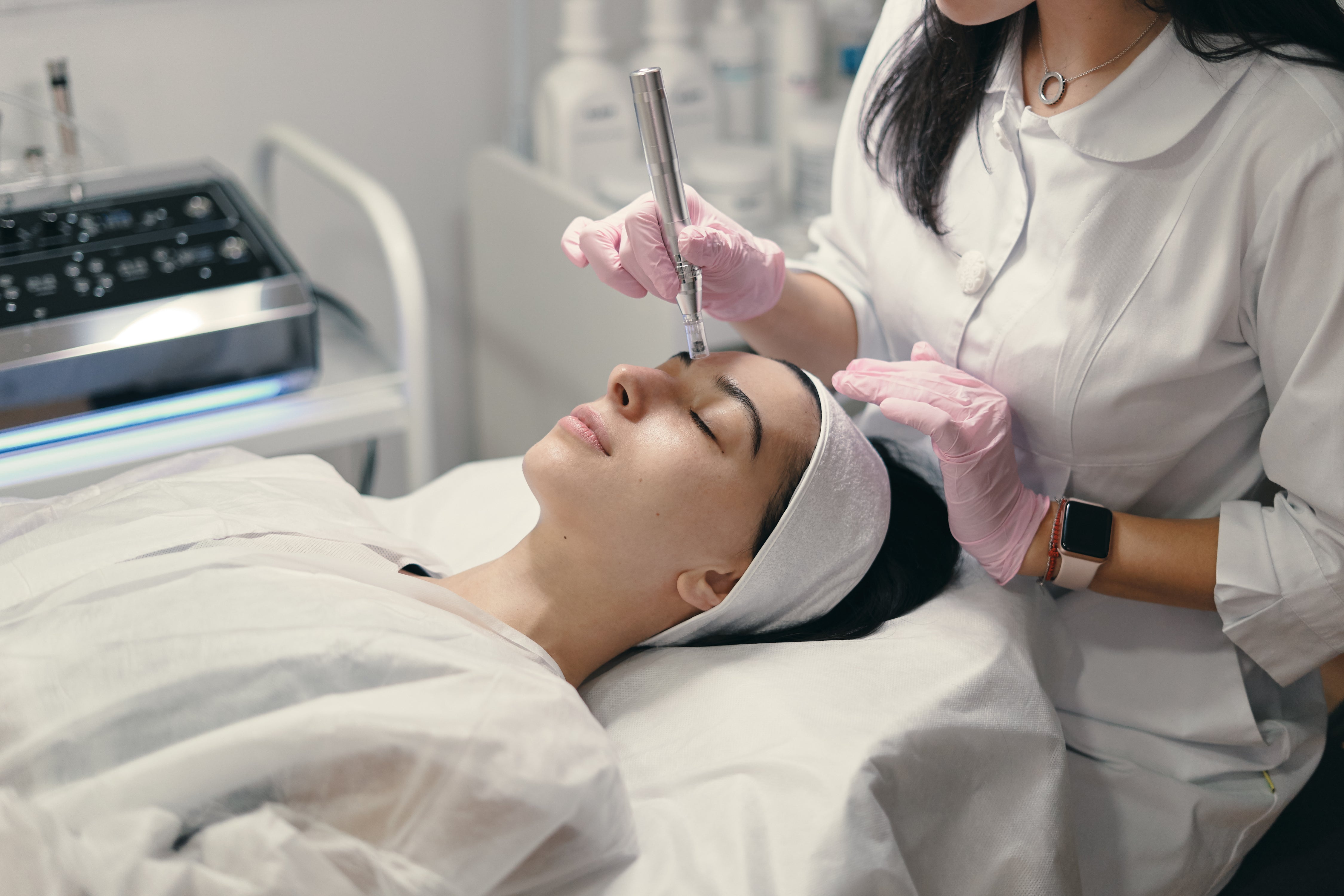
Forehead Acne
ACNE Treatment - Forehead


 Before
After
ACNE Treatment - Forehead
 Before
 After
ACNE Treatment - Cheeks
 Before
 After
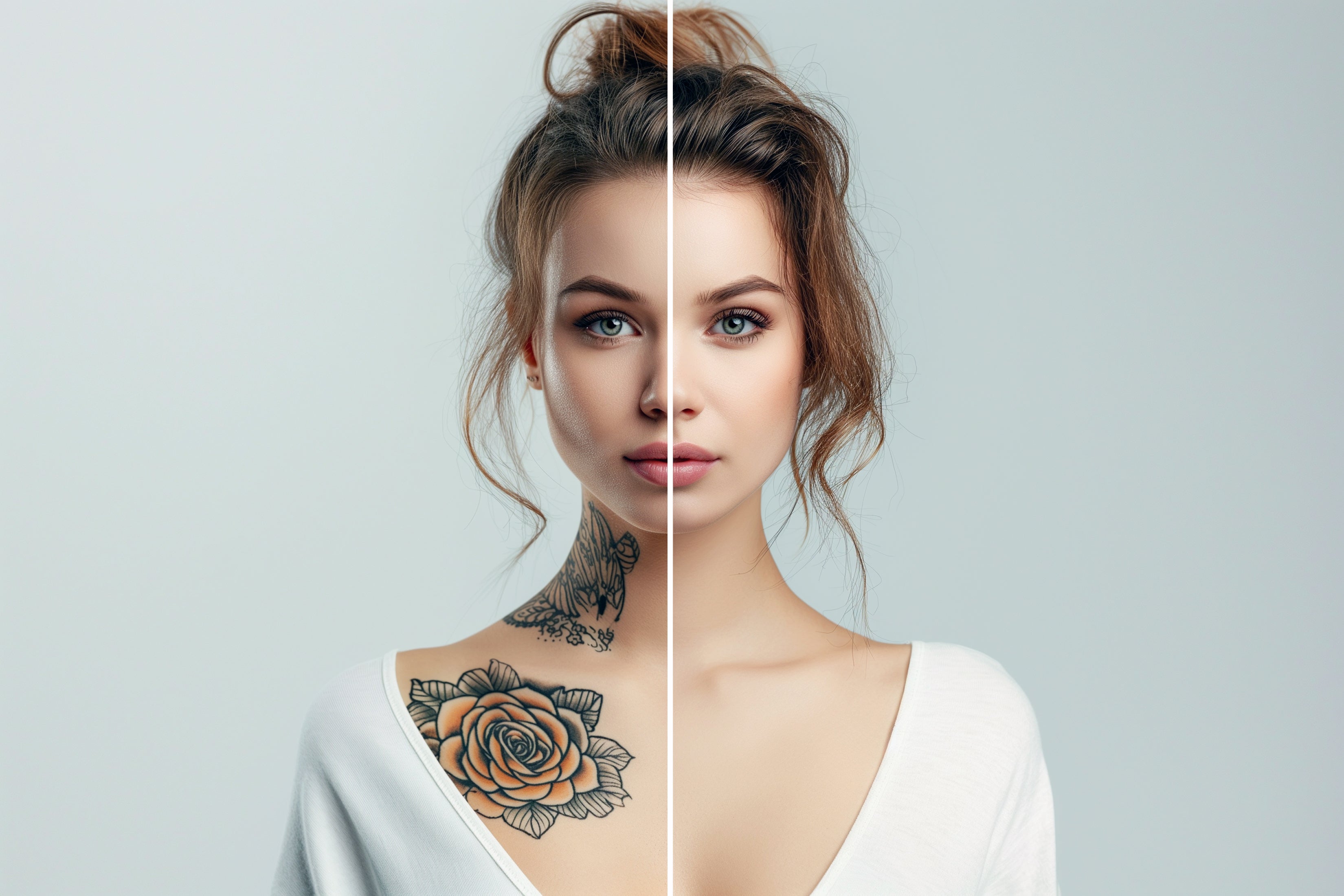
Laser Tattoo Removal
 Before
 After
Laser SCAR Removal
 Before
 After
Lip Filler (Lip Correction)
 Before
 After
Nose Filler
 Before
 After
Laser Hair Removal - Thigh and Legs
 Before
 After
Laser Hair Removal - Abdominal and Back
 Before
 After
Mole Removal
 Before
 After
Chemical Peel
 Before
 After
Lip Blushing
 Before
 After
SMP (Scalp Micro Pigmentation)
Fast AI analysis. Real dermatologist review. A clear plan you can follow from home.

Upload photos and answer a few questions. Get your initial report in under 60 seconds.
A qualified dermatologist reviews your skin details before the next steps are shared.
Receive clear skin guidance and trusted product options based on your concern.

Upload photos and answer a few questions. Get your initial report in under 60 seconds.
A qualified dermatologist reviews your skin details before the next steps are shared.
Receive clear skin guidance and trusted product options based on your concern.

Upload photos and answer a few questions. Get your initial report in under 60 seconds.
A qualified dermatologist reviews your skin details before the next steps are shared.
Receive clear skin guidance and trusted product options based on your concern.

Upload photos and answer a few questions. Get your initial report in under 60 seconds.
A qualified dermatologist reviews your skin details before the next steps are shared.
Receive clear skin guidance and trusted product options based on your concern.

Upload photos and answer a few questions. Get your initial report in under 60 seconds.
A qualified dermatologist reviews your skin details before the next steps are shared.
Receive clear skin guidance and trusted product options based on your concern.

Upload photos and answer a few questions. Get your initial report in under 60 seconds.
A qualified dermatologist reviews your skin details before the next steps are shared.
Receive clear skin guidance and trusted product options based on your concern.

Upload photos and answer a few questions. Get your initial report in under 60 seconds.
A qualified dermatologist reviews your skin details before the next steps are shared.
Receive clear skin guidance and trusted product options based on your concern.

Upload photos and answer a few questions. Get your initial report in under 60 seconds.
A qualified dermatologist reviews your skin details before the next steps are shared.
Receive clear skin guidance and trusted product options based on your concern.
Dr. Skin learns from thousands of skin cases across India, so you get care guided by wider doctor experience, not guesswork.

Our team is here to help. Get in touch for personalized answers.
During your consultation, our dermatologist evaluates your skin concerns, goals, and medical history to recommend the most suitable treatment.
It depends on your concern and skin response. Most plans run 3 to 6 sessions.
Most procedures involve little to no discomfort. Where needed we use numbing options.
Yes. Every plan is tailored to your skin type, concern and goals.

Type: Moisturizers

Type: Moisturizers
Type: Moisturizers
Type: Moisturizers
Board-certified dermatologists from AIIMS & top institutions, dedicated to delivering science-backed, compassionate skin care.
 11+ Yrs
MD Dermatology (AIIMS New Delhi) · Clinical Dermatologist · Skin & Hair Specialist
Consult Dr. AlokHealthy skin is a reflection of internal balance — my goal is to treat both, with care and clarity.
 9+ Yrs
MD Dermatology (AIIMS New Delhi) · Award-Winning Dermatologist · 20+ Publications
Consult Dr. NarayananGreat skin starts with understanding — every diagnosis I make is backed by science and shaped by empathy.
 8+ Yrs
MBBS, DNB Dermatology & Venereology · Aesthetic Dermatologist · Member, IADVL
Consult Dr. ArchanaI treat the root — not just the rash. My aim is to help you feel at home in your skin again.
 7+ Yrs
MBBS, MD Dermatology (DVL) · Clinical & Aesthetic Dermatologist
Consult Dr. ShivaniDr. Shivani blends strong clinical training with advanced aesthetic expertise to offer safe, naturally enhanced results.
 6+ Yrs
MD Dermatology (AIIMS) · DNB · MRCP (SCE) · Ex–Senior Resident, AIIMS
Consult Dr. KarthikEvery skin has a story — and the best care starts by listening to it.
 18+ Yrs
MD Dermatology (AIIMS) · DNB · MRCP (SCE) · Ex–Senior Resident, AIIMS
Consult Dr. Sanjay 5+ Yrs
MD Dermatology & Venereology · Clinical & Cosmetic Dermatologist
Consult Dr. NamrataDr. Namrata combines gentle care with scientific precision to create holistic, personalized skin programs.
 2+ Yrs
MD Dermatology, Venereology & Leprosy · Award-Winning Dermatologist
Consult Dr. PranomitaDr. Pranomita combines clinical expertise with advanced dermatology procedures to deliver personalized and effective skin care.
See real results from our treatments. Drag the slider to compare before and after images.
 After
 Before
Laser Tattoo Removal
 After
 Before
Laser SCAR Removal
 After
 Before
Laser Toning Q-Switch Skin Rejuvenation
 After
 Before
Laser Hair Removal - Thigh and Legs
 After
 Before
Laser Hair Removal - Abdominal and Back
 After
 Before
Laser Hair Removal - Cheeks
 After
 Before
Laser Hair Removal - Chin and Front Neck
 After
 Before
Laser Hair Removal - Under Arm
 After
 Before
Laser Hair Removal - Beard Line
 After
 Before
Laser Hair Removal - Hand
 After
 Before
Laser Hair Removal - Ear
 After
 Before
Laser Hair Removal - Upper Lip
 After
 Before
ACNE Treatment - Forehead
 After
 Before
ACNE Treatment - Cheeks
 After
 Before
ACNE Treatment - Chin & Jawline
 After
 Before
Pigmentation Treatment - Nose
 After
 Before
SCAR Mark Removal
 After
 Before
Pigmentation Treatment - Cheeks
 After
 Before
Lip Filler (Lip Correction)
 After
 Before
Nose Filler
 After
Before
Chin Filler (Jawline Restoration)
 After
 Before
Under Eye Filler
 After
 Before
Nasolabial Correction
 After
 Before
Thread Lifting (Jawline Correction)
 After
 Before
Fat Grafting Under Eye
 After
 Before
Fat Grafting ACNE SCAR Removal
 After
 Before
Botox on Forehead - Anti Wrinkle
 After
 Before
Botox on Under Eye - Anti Wrinkle
 After
 Before
Mole Removal
 After
 Before
Chemical Peel
 After
 Before
Vitiligo Treatment - Hand
 After
 Before
Vitiligo Treatment - Face
 After
 Before
Vitiligo Treatment - Forehead
 After
 Before
Lip Blushing
 After
 Before
SMP (Scalp Micro Pigmentation)
 After
 Before
Microblading
You can do 1:1 consultation with our MD dermatologists to identify your skin type and get a personalized skincare routine for oily, dry, sensitive or combination skin.
Yes. Our products are dermatologist based and safe for all skin types, including oily, acne-prone, sensitive and dry skin.
Yes. All our skin treatments are dermatologist-supervised and follow strict safety protocols. We use medical-grade technology suitable for sensitive, acne-prone and pigmented skin.
Yes. A consultation helps more understand your skin type, skin concerns, pigmentation level, acne grade and sensitivity, so we can recommend the right treatment or skincare product for you.
You can book a dermatologist consultation. Our doctor analyzes your skin type, pores, acne, sensitivity and pigmentation to suggest personalized skincare products and skin treatments that give real results.
Yes, if you have already known your skin type and what suits your skin.
No problem. You can do a consultation, the doctor checks your skin condition. Based on that, we help you choose which concern to treat first for the best results.
Yes! We offer various treatment packages, seasonal discounts, and loyalty programs for our regular clients. Sign up for our newsletter or follow us on social media to stay updated on our latest offers.

Quick answer: Laser hair removal uses targeted laser light to permanently reduce unwanted hair. It's safe and effective on Indian skin when done by a dermatologist with the right laser (usually a diode laser) at correct settings. Most people need 6–8 sessions, 4–6 weeks apart. At Allodermis, Patia, KIIT Square, Bhubaneswar, it's performed under MD-dermatologist supervision. Call or WhatsApp +91 9717503031 to book a consultation. Tired of waxing, shaving and threading every few weeks — and the ingrowns, darkening and irritation that come with them? Laser hair removal is the most-requested aesthetic treatment in Bhubaneswar for exactly that reason. This dermatologist-reviewed guide covers what it is, what it costs (and what affects the price), how many sessions you'll need, and how to choose a safe clinic. What is laser hair removal? Laser hair removal works by sending a controlled beam of light into the hair follicle. The pigment in the hair absorbs the light, which converts to heat and disables the follicle's ability to grow new hair. Because it targets hair in its active growth phase, it's done over several sessions to catch every follicle — which is why it delivers long-term, permanent reduction rather than a one-time fix. Done correctly, it's one of the most reliable ways to get smooth, hair-free skin without the cuts, bumps and regrowth of shaving and waxing. Is laser hair removal safe for Indian skin? Yes — with the right laser and an experienced hand. This is the single most important point. Indian and darker skin tones have more melanin, so the wrong laser or wrong settings can cause burns or pigmentation. A diode laser (and Nd:YAG for deeper tones), used by a dermatologist who sets the parameters for your skin and hair type, is both safe and effective. This is exactly why laser hair removal belongs in a dermatologist-led clinic, not a salon with a generic machine. At Allodermis, every laser session is supervised by AIIMS-trained MD dermatologists, using skin-tone-appropriate settings and a patch test before your first full session. How much does laser hair removal cost in Bhubaneswar? The honest answer: it depends, and a trustworthy clinic will give you an exact quote only after a consultation. Cost is driven by: The area(s) treated — small areas (upper lip, chin, underarms) cost far less than large ones (full legs, full body). Number of sessions — most areas need 6–8 sessions; package pricing usually works out cheaper than paying per session. Your hair and skin type — thicker or hormonal hair (e.g. PCOS-related) may need more sessions. The laser and expertise — medical-grade lasers run by dermatologists cost more than salon machines, but are safer and more effective, so you're not paying again to fix problems later. Be cautious of unusually "cheap" laser offers — on Indian skin, the wrong device is a false economy. Book a consultation for a transparent, personalised quote based on the areas you want treated. How many sessions will I need? Most people need 6–8 sessions spaced 4–6 weeks apart for optimal results, followed by occasional maintenance. Hair grows in cycles, and the laser only disables follicles in their active phase — so the gap between sessions lets the next batch of follicles become targetable. You'll typically see noticeable reduction after just 2–3 sessions, with smoother skin building through the course. Popular treatment areas Laser works on almost anywhere you have unwanted hair: Face & upper lip — gentle settings for delicate areas; see facial hair removal. Underarms — a quick, popular starter area; see underarm laser hair removal. Arms & legs — see full-body and legs treatments. Bikini & Brazilian — with privacy and hygiene; see bikini/Brazilian laser. Men's beard shaping & body — clean, defined lines; see laser beard shaping. Full body — the best value for those treating multiple areas. What to expect — the procedure Consultation & patch test — the dermatologist assesses your skin and hair, sets the right parameters, and patch-tests before your first full session. Preparation — the area is shaved (not waxed) beforehand, and a cooling gel is applied. The session — the laser is passed over the area; most people feel a mild snapping or warm sensation, well tolerated with the device's cooling. A small area takes minutes; full body up to an hour. Aftercare — mild redness may appear for a few hours; avoid sun, hot showers and sweating for 24–48 hours, and apply sunscreen. Aftercare and results Wear a daily broad-spectrum sunscreen — treated skin is sun-sensitive, and sun exposure between sessions reduces results. Avoid waxing, plucking or threading during your course (shaving is fine) — the laser needs the follicle intact. Skip saunas, intense workouts and hot water for a day or two after each session. With a completed course, most people enjoy long-term smoothness with only occasional top-ups. Why choose Allodermis in Bhubaneswar Dermatologist-supervised laser — 8 AIIMS-trained MD dermatologists, not technicians. Skin-safe technology — the right laser and settings for Indian skin tones. A 4.9★ Google rating and 1 lakh+ patients consulted — read real patient reviews. Convenient location — Patia, near KIIT Square, easy from Chandrasekharpur, Jaydev Vihar, Nayapalli and Saheed Nagar. Not sure where to start? Try the free AI Skin Analysis or learn more about the clinic. Frequently asked questions Is laser hair removal permanent? It gives permanent hair reduction. After a full course of 6–8 sessions most hair is gone for good, with occasional maintenance sessions for any regrowth. How much does laser hair removal cost in Bhubaneswar? It depends on the area(s), number of sessions and your hair/skin type. Packages are usually more economical than per-session pricing. Allodermis gives a transparent quote after a consultation. Is laser hair removal safe for Indian skin? Yes, when performed by a dermatologist using a diode (or Nd:YAG) laser at settings matched to your skin tone. The wrong device on darker skin can cause burns or pigmentation, which is why dermatologist supervision matters. How many sessions are needed? Most areas need 6–8 sessions, 4–6 weeks apart, with noticeable reduction after 2–3 sessions. Does laser hair removal hurt? Most people feel only a mild snapping or warm sensation; modern lasers have built-in cooling that keeps it comfortable. Can men get laser hair removal? Yes — body hair reduction and beard shaping are popular. See laser beard shaping. Where can I get laser hair removal in Bhubaneswar? At Allodermis, 2nd Floor, D-1 Square, Nandan Kanan Road, KIIT Square, Patia, Bhubaneswar. Book via the contact page or WhatsApp +91 9717503031. Say goodbye to waxing — book laser hair removal in Bhubaneswar Smooth, hair-free skin is a few sessions away — safely, with dermatologists. Book a laser hair removal consultation at Allodermis, Patia, or message us on WhatsApp. Start with a free AI Skin Analysis. Allodermis Skin & Hair Clinic — 2nd Floor, D-1 Square, Nandan Kanan Road, KIIT Square, Patia, Bhubaneswar, Odisha · +91 9717503031. Medically reviewed by the Allodermis MD Dermatology team (AIIMS-trained).
Learn more
Quick answer: Melasma is a chronic, hormone- and sun-driven pigmentation that needs a gentle, consistent, dermatologist-led plan — medical creams (often tranexamic acid-based), a specialised Cosmelan peel, careful laser toning and strict daily sunscreen. At Allodermis, Patia, KIIT Square, Bhubaneswar, melasma is managed by MD dermatologists. WhatsApp +91 9717503031. Melasma is the most misunderstood pigmentation of all. It shows up as symmetrical brown or greyish patches, usually on the cheeks, forehead and upper lip, and it has a frustrating habit of fading and then returning. The good news: with the right approach it can be controlled very well. The bad news: aggressive "quick-fix" treatments often make it worse — which is why a dermatologist matters here more than anywhere. Why melasma is different from ordinary dark spots Ordinary pigmentation and post-acne marks sit relatively superficially and clear fairly predictably. Melasma is deeper, hormonally influenced (pregnancy, the pill, thyroid), and extremely sun-sensitive. It behaves like a chronic condition you manage, not a spot you simply erase. Treated too harshly, it rebounds. Treated gently and consistently, it fades and stays controlled. What triggers and worsens melasma Sun and visible light — the biggest driver, even light through windows. Hormones — pregnancy ("mask of pregnancy"), contraceptives, thyroid changes. Heat — relevant in Bhubaneswar's warm climate; heat alone can flare it. Irritation — harsh scrubs, strong peels or the wrong laser settings. A dermatologist assessment (or the free AI Skin Analysis) confirms it's melasma before treatment begins. How melasma is treated at Allodermis The approach is deliberately gentle and layered, over time: Medical creams — tranexamic acid, azelaic acid, kojic acid and niacinamide to calm overactive pigment, sometimes with short courses of stronger actives. Cosmelan peel — a Cosmelan peel is a gold-standard, melasma-specific protocol with a structured home-care phase. Gentle laser toning — laser toning at conservative settings for resistant cases, never aggressive. Oral options — where appropriate, prescribed and monitored by the doctor. Strict sun protection — the foundation of everything (below). Sunscreen is the treatment, not an add-on For melasma, daily broad-spectrum SPF 50 — ideally tinted, to block visible light too — is the single most important step. Reapply through the day. A matte option like UrbanShade Silicone Sunscreen Gel SPF 50 works well under the Bhubaneswar sun. Skipping it is the top reason melasma "comes back." Realistic expectations Melasma improves gradually — expect 8–12 weeks for a clear change, and ongoing maintenance to keep it controlled. Anyone promising to "remove melasma permanently in one session" is a warning sign: aggressive treatment is exactly what makes melasma rebound. Steady, gentle and sun-protected wins. Why choose Allodermis in Bhubaneswar MD dermatologists experienced with melasma on Indian skin — meet the team. The right, gentle tools — Cosmelan, conservative laser and medical creams in Patia, near KIIT Square. Honest, long-term management — not false "cures". See patient reviews. Melasma do's and don'ts Do: wear a tinted broad-spectrum SPF 50 every day and reapply; keep your routine gentle and consistent; use a wide-brimmed hat or umbrella in strong sun; stay patient — melasma is a marathon, not a sprint. Don't: use harsh scrubs, strong unprescribed peels or aggressive lasers; chase "instant whitening" treatments; stop treatment the moment it improves; ignore heat exposure (cooking, saunas, direct sun), which can flare it. Melasma and pregnancy Melasma is so common in pregnancy it's nicknamed the "mask of pregnancy." Hormonal melasma often improves after delivery or stopping hormonal contraceptives, but needs gentle management meanwhile — many strong actives are avoided during pregnancy and breastfeeding, so a dermatologist chooses safe options (and strict sun protection) for this phase. Never self-prescribe melasma creams while pregnant. A gentle daily routine for melasma Morning: mild cleanser → prescribed gentle brightener (often tranexamic acid or azelaic acid) → tinted SPF 50, reapplied. Night: mild cleanser → your prescribed cream → simple moisturiser. Weekly: no aggressive exfoliation — let the treatment and sun protection do the steady work. Consistency plus sun and heat protection is genuinely 80% of melasma control; the in-clinic treatments do the rest. Why gentle beats aggressive Melasma has a "memory" — treat it too harshly and it rebounds darker. That's the single most important thing to understand, and why an experienced dermatologist deliberately keeps treatment gentle and gradual rather than promising a dramatic one-session fix. Lifestyle support that helps melasma Alongside treatment, a few everyday habits make a real difference: protect against heat as well as sun (step back from direct cooking heat, avoid saunas); keep skincare minimal and fragrance-free; manage stress and sleep, which influence hormones; and review hormonal contraceptives with your doctor if melasma flared after starting them. None of these replace treatment, but together they reduce how often melasma rebounds. A realistic melasma journey Expect a gradual path: a gentle cream-and-sunscreen phase first, a Cosmelan peel or careful laser toning added if needed, then a long maintenance phase to keep it controlled. Most people reach a clearly improved, stable state over a few months and then maintain it. Framing melasma as something you manage well — rather than a spot you erase once — is the mindset that gets the best long-term skin. Frequently asked questions Can melasma be cured permanently? Melasma is a chronic condition that can be very well controlled, but not usually "cured" permanently. With gentle treatment and daily sun protection it fades and stays managed. What is the best treatment for melasma in Bhubaneswar? A gentle, layered plan: tranexamic-acid-based creams, a Cosmelan peel, conservative laser toning and strict sunscreen — personalised by a dermatologist at Allodermis, Patia. Why does my melasma keep coming back? Usually because of sun/heat exposure or stopping treatment too soon. Daily SPF and maintenance are what keep it controlled. Is laser safe for melasma? Only at conservative settings by an experienced dermatologist — aggressive laser can worsen melasma, which is why expert care matters. How do I book a melasma assessment? Use the contact page or WhatsApp +91 9717503031. Get melasma under control — gently and for the long term Book a melasma assessment at Allodermis, Patia, or message us on WhatsApp. Protect your skin daily with a tinted SPF 50. Allodermis Skin & Hair Clinic — 2nd Floor, D-1 Square, Nandan Kanan Road, KIIT Square, Patia, Bhubaneswar, Odisha.
Learn more
Quick answer: Pigmentation is best treated by first finding its cause (sun, hormones, post-acne marks or friction) and then combining medical creams, chemical peels, laser toning and daily sun protection. At Allodermis, Patia, KIIT Square, Bhubaneswar, MD dermatologists build a personalised pigmentation plan. WhatsApp +91 9717503031 to book. Dark spots, patchy tone and dullness are among the most common skin concerns in Bhubaneswar — and the city's strong sun and humidity are a big reason why. The frustrating part is that most "fairness" creams don't work, because they don't address why your skin is making extra pigment. A dermatologist does. What causes pigmentation? Sun exposure — the number-one trigger; UV ramps up melanin and darkens existing spots. Post-acne marks (PIH) — brown marks left after pimples heal. Melasma — hormonal, symmetrical patches (treated specifically — see melasma). Friction & irritation — on the neck, underarms and inner thighs. Harsh products — over-exfoliation and wrong creams can worsen it. Identifying the type is the whole game, because each responds to different treatment. The free AI Skin Analysis is a quick first step. How pigmentation is treated at Allodermis Treatment is personalised and usually layered: Medical creams — tranexamic acid, kojic acid, arbutin, azelaic acid and niacinamide to switch down melanin. Chemical peels — peels, and the Cosmelan peel for stubborn pigment, lift pigmented surface layers. Laser toning — laser toning targets deeper and resistant pigmentation gradually and safely. Sun protection — a daily broad-spectrum SPF 50 like UrbanShade Silicone Sunscreen Gel SPF 50 is non-negotiable — it protects every bit of progress. Depending on your concern, we may also address tan or specific hyperpigmentation. Why sunscreen decides your result Here's the part most people skip: UV re-activates the exact pigment pathway your treatment is switching off. In sunny Bhubaneswar, a pigmentation plan without daily SPF is like filling a leaking bucket. Sunscreen every morning — reapplied through the day — is what makes creams, peels and lasers actually hold. What results to expect Pigmentation fades gradually, from the surface down. Expect a visible change in 6–8 weeks with consistent treatment, and longer for deeper or hormonal pigment. It also needs maintenance, because new sun exposure can re-trigger it — which is why the plan always pairs treatment with protection. Why choose Allodermis in Bhubaneswar MD dermatologists who diagnose the cause first — meet the team. A combined toolkit — creams, peels and laser under one roof in Patia, near KIIT Square. Honest, realistic plans — no "instant whitening" promises. See patient reviews. Types of pigmentation (and why it matters) Each type responds to different treatment, so correct identification is half the cure: Post-inflammatory hyperpigmentation (PIH) — brown marks after acne, injury or irritation; usually the most treatable. Sun spots / solar lentigines — flat brown spots from cumulative sun exposure. Melasma — hormonal, symmetrical patches that need a gentle, specific approach (see melasma). Friction/periorbital pigmentation — on the neck, underarms, inner thighs or around the eyes (dark circles). Everyday habits that worsen pigmentation Skipping sunscreen, or only wearing it "when going out". Over-exfoliating or using harsh, unprescribed creams. Picking at pimples and scabs (guarantees brown marks). Waxing/threading irritated skin repeatedly. Hot showers and heat exposure for melasma-prone skin. Fixing these alongside treatment is often what finally moves stubborn pigmentation. Your simple pigmentation routine Morning: gentle cleanse → vitamin C or prescribed brightener → broad-spectrum SPF 50, reapplied through the day. Night: gentle cleanse → your prescribed pigment-reducing cream (tranexamic acid, kojic acid, azelaic acid or similar) → light moisturiser. In-clinic: peels or laser toning as your dermatologist schedules them. Pigmentation myths, busted "Fairness creams remove pigmentation." They don't treat the cause and can irritate skin. "Lasers are dangerous for Indian skin." At correct settings by a dermatologist, laser toning is safe and effective. "Once it's gone, it's gone." Without sun protection, pigment returns — maintenance matters. How a dermatologist diagnoses pigmentation A proper diagnosis is what makes treatment work. The dermatologist examines the pattern, depth and triggers of your pigmentation — sometimes with a special lamp — to tell apart PIH, sun spots, melasma and friction pigmentation. That's important because the same brown patch can need completely different treatment depending on its cause, and the wrong approach (especially aggressive peels or lasers on melasma) can make it worse. Results timeline — what to expect by type Surface pigmentation like post-acne marks and light sun spots often fades noticeably in 4–8 weeks. Deeper or hormonal pigmentation takes longer and needs ongoing maintenance. Across every type, two things decide success: consistency with your routine, and daily sun protection. Treated patiently and protected from the sun, most pigmentation improves significantly. Why combining treatments works best Pigmentation rarely responds to a single product. The reason a dermatologist-led plan works is that it attacks the problem from several angles at once: creams reduce new melanin, peels lift pigmented surface cells, laser toning reaches deeper pigment, and sunscreen stops fresh pigment forming. Each covers a gap the others can't — which is why an in-clinic plan consistently outperforms any one cream you buy off a shelf. Your dermatologist decides the right mix and sequence for your skin so you're not wasting months on trial and error. Frequently asked questions Which is the best clinic for pigmentation treatment in Bhubaneswar? A dermatologist-led clinic that diagnoses the cause and combines creams, peels and laser. Allodermis, in Patia near KIIT Square, offers all of these under one plan. How long does pigmentation take to clear? Usually a visible change in 6–8 weeks with consistent treatment and daily sunscreen; deeper pigmentation takes longer and needs maintenance. Can pigmentation be removed permanently? It can be significantly reduced, but results must be maintained with sun protection, because new UV exposure re-triggers pigment. Is laser safe for pigmentation on Indian skin? Yes — laser toning at correct settings by a dermatologist is safe and effective for Indian skin; a consultation confirms suitability. How do I book a pigmentation consultation? Use the contact page or WhatsApp +91 9717503031. Even, clear skin — with a dermatologist in Bhubaneswar Book a pigmentation consultation at Allodermis, Patia, or message us on WhatsApp. Protect your progress with a daily SPF 50. Allodermis Skin & Hair Clinic — 2nd Floor, D-1 Square, Nandan Kanan Road, KIIT Square, Patia, Bhubaneswar, Odisha.
Learn more
Quick answer: Acne scars are best treated by a dermatologist using a combination of MNRF (microneedling radiofrequency), microneedling, subcision and peels — matched to your scar type. At Allodermis in Patia, KIIT Square, Bhubaneswar, scar treatment is planned by MD dermatologists after assessing your skin. Book via WhatsApp +91 9717503031. If your acne has calmed but left behind pits, uneven texture or brown marks, you're not stuck with them. Acne scars respond well to the right in-clinic treatment — the key is matching the method to the type of scar, which is exactly what a dermatologist does. Marks vs scars — know the difference Post-acne marks (PIH) — flat brown or red marks where a pimple healed. These are pigment, not true scars, and fade with time, sun protection and pigmentation care. True scars — changes in skin texture from collagen damage: boxcar, rolling or icepick pits, or raised scars. These need resurfacing or collagen-remodelling treatments. Getting this right matters, because the treatments are completely different. A quick assessment (or the free AI Skin Analysis) tells you which you have. How acne scars are treated at Allodermis Most scar plans combine two or three of the following over a course of sessions: MNRF (Microneedling Radiofrequency) — the gold standard for pitted scars; radiofrequency energy delivered deep into the skin to remodel collagen. See MNRF services. Microneedling — controlled micro-injuries that trigger natural collagen repair, smoothing texture. See microneedling treatment. Subcision — releasing the tethered bands under rolling scars so the skin lifts. Chemical peels — peels refine the surface and fade accompanying marks. Infusion facials — Dermafrac combines microneedling with serum infusion for texture and glow. For the brown marks that often come with scars, we add targeted pigmentation care and daily sun protection. What results are realistic Scar treatment improves skin — it doesn't erase it to glass overnight. Most people need 3–6 sessions spaced 4–6 weeks apart, and because the treatments work by rebuilding collagen, the real improvement appears gradually over 3–6 months. A good dermatologist sets that expectation honestly and shows you the likely before/after range for your scar type. The single biggest mistake we see is treating scars while acne is still active — so if you still have breakouts, we settle those first with acne treatment, then resurface. Why a dermatologist (not a salon) Energy-based scar treatments like MNRF depend entirely on the device, the settings and the operator's skill — especially on Indian skin, where wrong settings can cause pigmentation. A dermatologist-led clinic uses medical-grade equipment at the right depth for your skin, with sterile technique and proper aftercare. Meet the Allodermis doctors and read patient reviews. Aftercare that protects your results Strict daily sunscreen — fresh collagen and marks are vulnerable to the sun. Gentle skincare for a few days post-session; no scrubs or strong actives. Don't pick flaking skin; let it heal naturally. Stay consistent across the full course — scattered sessions give scattered results. Why choose Allodermis in Bhubaneswar MD dermatologists and medical-grade devices in Patia, near KIIT Square. A combined approach — scars, marks and active acne handled together. Honest, staged plans with realistic timelines — easy to reach from Chandrasekharpur, Jaydev Vihar and Nayapalli. Types of acne scars (and what each needs) Matching the treatment to the scar is what separates real improvement from wasted sessions: Icepick scars — deep, narrow pits. Respond best to MNRF, TCA cross and subcision-plus-resurfacing. Boxcar scars — wider depressions with sharp edges. MNRF and microneedling remodel the walls. Rolling scars — shallow, wave-like dips from tethering below. Subcision releases the tethers, then collagen treatments smooth them. Raised (hypertrophic) scars — respond to different, flattening approaches. Mixed scarring — most people have a combination, which is why a tailored, multi-tool plan beats any single "magic" treatment. MNRF vs microneedling vs peels — simply explained Think of them as different depths and jobs. Peels work on the surface — great for marks, early texture and glow. Microneedling goes deeper to trigger collagen for overall texture and shallow scars. MNRF adds radiofrequency heat deep into the skin, making it the most powerful option for pitted, stubborn scars. Your dermatologist often combines them across a course so each does what it's best at. Explore MNRF and microneedling. What your treatment journey looks like A typical path: a consultation to map your scar types; active acne settled first if needed; then a course of 3–6 sessions spaced 4–6 weeks apart, often mixing MNRF, subcision and peels. Expect mild redness for a day or two after each session and steady improvement over 3–6 months as new collagen forms. Strict daily sunscreen throughout protects your results — fresh collagen and any marks are vulnerable to the sun. Can home remedies fix acne scars? Honestly, no. True (textural) scars are collagen-level changes — no cream, oil, lemon or face mask can rebuild that. Home care and the right actives help fade accompanying brown marks and keep skin healthy, but genuine scar improvement needs in-clinic collagen remodelling such as MNRF, microneedling and subcision. The upside: these treatments genuinely work, so you don't have to accept scars as permanent. A consultation gives you an honest, realistic plan for your specific scars. Frequently asked questions What is the best treatment for acne scars in Bhubaneswar? For pitted scars, MNRF (microneedling radiofrequency) is the gold standard, often combined with microneedling, subcision and peels. The right mix is decided after a dermatologist assessment at Allodermis, Patia. How many sessions do acne scars need? Most people need 3–6 sessions, 4–6 weeks apart, with results building over 3–6 months as collagen remodels. Can acne scars be removed completely? Scars can be significantly improved — often by 50–80% depending on type — but complete erasure isn't realistic. A dermatologist will give you an honest expectation for your scars. Is MNRF safe for Indian skin? Yes, when performed by a dermatologist using correct settings and depth for your skin tone, with proper aftercare. How do I book a scar assessment? Use the contact page or WhatsApp +91 9717503031. Smooth, even skin is possible — let's assess your scars Book an acne-scar assessment at Allodermis, Patia, or message us on WhatsApp. Start with a free AI Skin Analysis to see your scar type. Allodermis Skin & Hair Clinic — 2nd Floor, D-1 Square, Nandan Kanan Road, KIIT Square, Patia, Bhubaneswar, Odisha.
Learn more


